
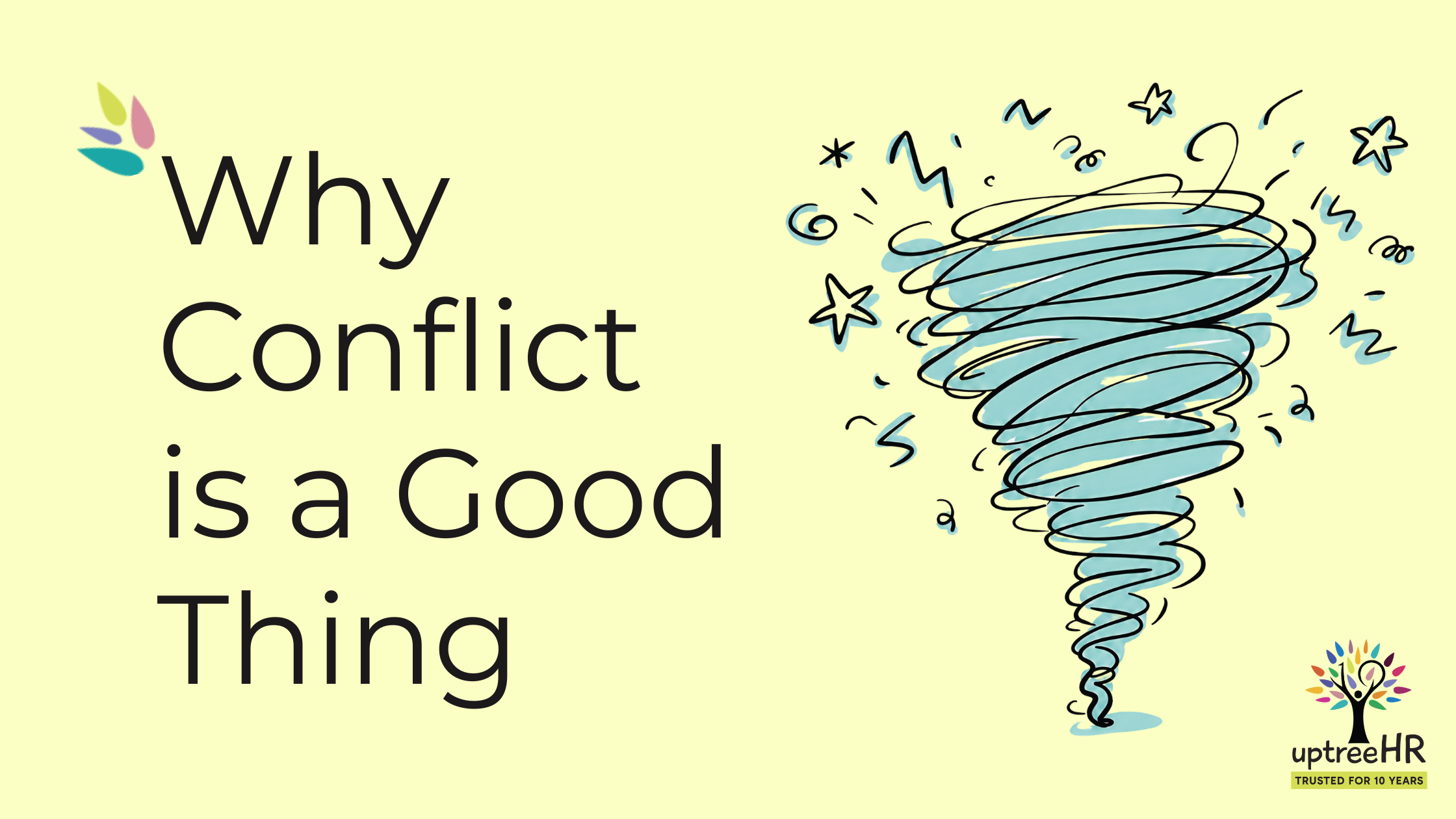
Conflict Isn’t the Problem, Avoiding It Is
Conflict shows up everywhere – in families, friendships, teams, and workplaces. Yet it’s almost always treated as something negative; something to fix quickly, smooth over, or avoid entirely.
For a long time, that’s how I saw it too. Conflict felt like failure, a sign that something had gone wrong and the focus wasn’t on understanding it, but on making it disappear as quickly as possible.
Over time, especially as I moved into professional roles, that perspective started to shift. I began to notice that conflict wasn’t emerging because people were difficult or incapable. More often, it came from pressure, different perspectives, or unclear communication; It showed up because people cared, expectations didn’t align, and situations were complex.
When handled poorly, conflict creates frustration and disconnection, but when handled thoughtfully, it creates clarity, stronger decisions, and better working relationships.
Conflict Is Rarely About What It Seems
In the workplace, conflict often looks simple on the surface. It might appear as a disagreement, a communication issue, or resistance to change. However, in practice, it is rarely just about what is being said directly. More often, it reflects deeper challenges – stress, misaligned expectations, uncertainty, or hesitation to speak openly.
Working in Human Resources, this becomes especially clear. Whether supporting employee relations, reviewing policies, or conducting a workplace investigation, the issue that is raised is often only part of the story.
The truth remains: when conflict is avoided or minimized, those underlying challenges don’t go away. They build over time and often resurface in more difficult ways.
What the Research (and Experience) Shows
There is a common assumption that less conflict means a healthier workplace. In reality, the opposite is often true.
Research from leading institutions such as Harvard Business School, MIT Sloan, and the American Psychological Association consistently shows that over 80% of employees experience workplace conflict, with managers spending up to a third of their time dealing with conflict-related issues. This emphasises that the real challenge is not conflict itself, but how it is handled, or avoided altogether.
Environments where people feel pressure to agree or stay quiet don’t eliminate problems; they delay them. Research consistently links unresolved conflict to increased stress, disengagement, and higher turnover, as issues continue to build beneath the surface.
In contrast, studies show that teams that are able to challenge ideas and work through differences make stronger decisions and avoid groupthink. Open dialogue improves communication and helps teams adapt more effectively in complex situations.
The difference isn’t whether conflict exists, it’s whether people are equipped to work through it.
What Healthy Conflict Actually Looks Like
Healthy conflict doesn’t mean constant disagreement or tension. It means people feel able to speak openly, raise concerns, and challenge ideas without fear of being dismissed or penalized.
In environments where expectations are clear and communication is supported, often through strong leadership, clear policies, and structured processes, conflict becomes more productive. It shifts from something personal to something that improves how work gets done.
A Better Way to Approach Conflict
Managing conflict isn’t about eliminating it. It’s about approaching it differently.
- Reframe conflict as information: Instead of asking “how do we stop this,” ask “what is this showing us about expectations, communication, or alignment?”
- Address issues early: Small tensions rarely resolve on their own. Early, respectful conversations prevent them from escalating into larger problems.
- Separate the issue from the person: Focus on behaviours, processes, or decisions – not intent or personality.
- Lead with curiosity: Ask questions before forming conclusions. This creates space for understanding rather than defensiveness.
- Create space for open conversations: Whether through leadership, HR support, or formal processes, people need to feel that concerns can be raised and heard.
A Different Way to See Conflict
Over time, I’ve stopped seeing conflict as something that disrupts progress. More often, it’s what drives it.
Conflict surfaces what isn’t working. It challenges assumptions, exposes gaps in communication, and pushes teams to adjust. Without it, many of those issues would remain unspoken. Workplaces that understand this approach it differently; They don’t avoid conflict and, consequently, build the ability to work through it.
Rheannon Richards is the HR Coordinator at uptreeHR, an outsourced Human Resource department for small to medium-sized businesses. Rheannon and the team are based in Halifax, Nova Scotia.
To book a complimentary 30-minute consult with uptreeHR, click here.
Leave A Comment
For many business owners, reaching 10 employees feels like a [...]

Many employers follow this hiring process: send a brief offer letter [...]
One of the most common leadership mistakes arises in our most [...]
Since Covid, many workplaces have focused on the same question, should [...]