
When a complaint lands on your desk, the instinct for many is to handle it quickly and quietly, in-house. That’s understandable, especially for small and mid-sized employers. But a poorly run investigation can leave you worse off than doing nothing. It can damage trust, create legal risk, and leave everyone involved feeling the process was unfair.
Here are four common ways internal investigations go sideways.
- Conflicts of interest
The person investigating should have no stake in the outcome. In a small workplace, that’s harder than it sounds. The owner, manager, or HR contact may be friends with, supervise, or depend on someone involved. Even when they act in good faith, a perceived conflict can undermine the whole process.
Ask yourself: Would a reasonable person believe this investigator can be impartial? If not, consider an external investigator.
- Bias, conscious or not
Bias doesn’t have to be deliberate to cause harm. Watch for:
- Credibility based on position, such as favouring a tenured employee or senior leader
- Confirmation bias, forming an early view and then looking only for evidence that supports it
- Prejudging, treating the complaint as obviously true or obviously exaggerated before hearing everyone
A fair process means keeping an open mind and being able to explain why one account was found more credible than another.
- Untrained investigators with full workloads
Most internal investigators are capable managers or team members who were asked to take on the file. They bring good intentions and a real desire to get it right, but investigating isn’t part of their day-to-day role, and they’re doing it on top of their regular job.
Even the most dedicated person can struggle without investigation experience or training, or the time to give the process focused attention. Interviews may be squeezed between other tasks, and key questions, evidence, or documentation can be missed. The result is that, despite their best efforts, the outcome may not move the organization any further ahead, and in some cases it can leave new issues to deal with.
Investigating is a specialized skill, and doing it well takes both training and time.
- Procedural gaps
Even a well-intentioned investigation can fall short if the process itself isn’t sound. Common gaps include:
- No clear mandate / scope
- The respondent isn’t told the allegations in enough detail to respond
- Key witnesses aren’t interviewed
- Findings that don’t clearly connect to the evidence
Procedural fairness isn’t a technicality. It’s what makes your conclusions defensible if they’re ever questioned, and it gives everyone involved confidence that the process was fair.
What to do instead
You don’t need a perfect process, but you do need one that is fair, procedurally sound, documented, and impartial. Before you begin, ask three questions: Is the person investigating free of any conflict of interest? Do they have the training and the time to do it well? Is the scope clear?
If the answer to any of these is uncertain, that’s a good sign to bring in someone independent. An investigation is only as strong as the trust people have in it, and getting the foundations right is what allows your workplace to move forward.
Need support with a workplace investigation? Our free consult call is a great place to start, with no commitment and guidance on the best course of action for your situation.
Michelle MacFadgen, CPHR, is the Director, Client Engagement at uptreeHR, an outsourced Human Resource department for small to medium-sized businesses. Michelle and the team are based in Halifax, Nova Scotia.
To book a complimentary 30-minute consult with Michelle, click here.
Leave A Comment
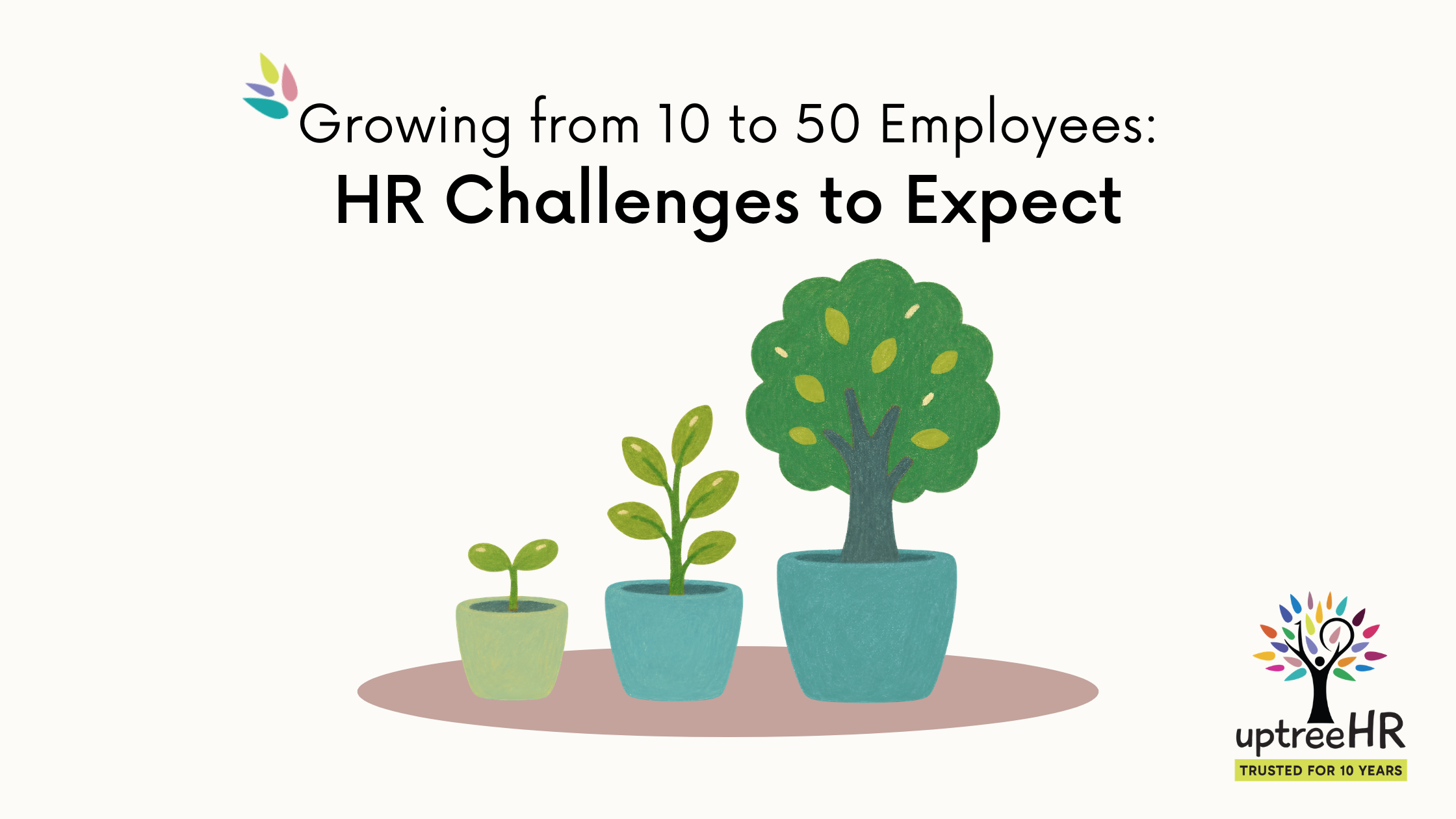
For many business owners, reaching 10 employees feels like a [...]

Many employers follow this hiring process: send a brief offer letter [...]
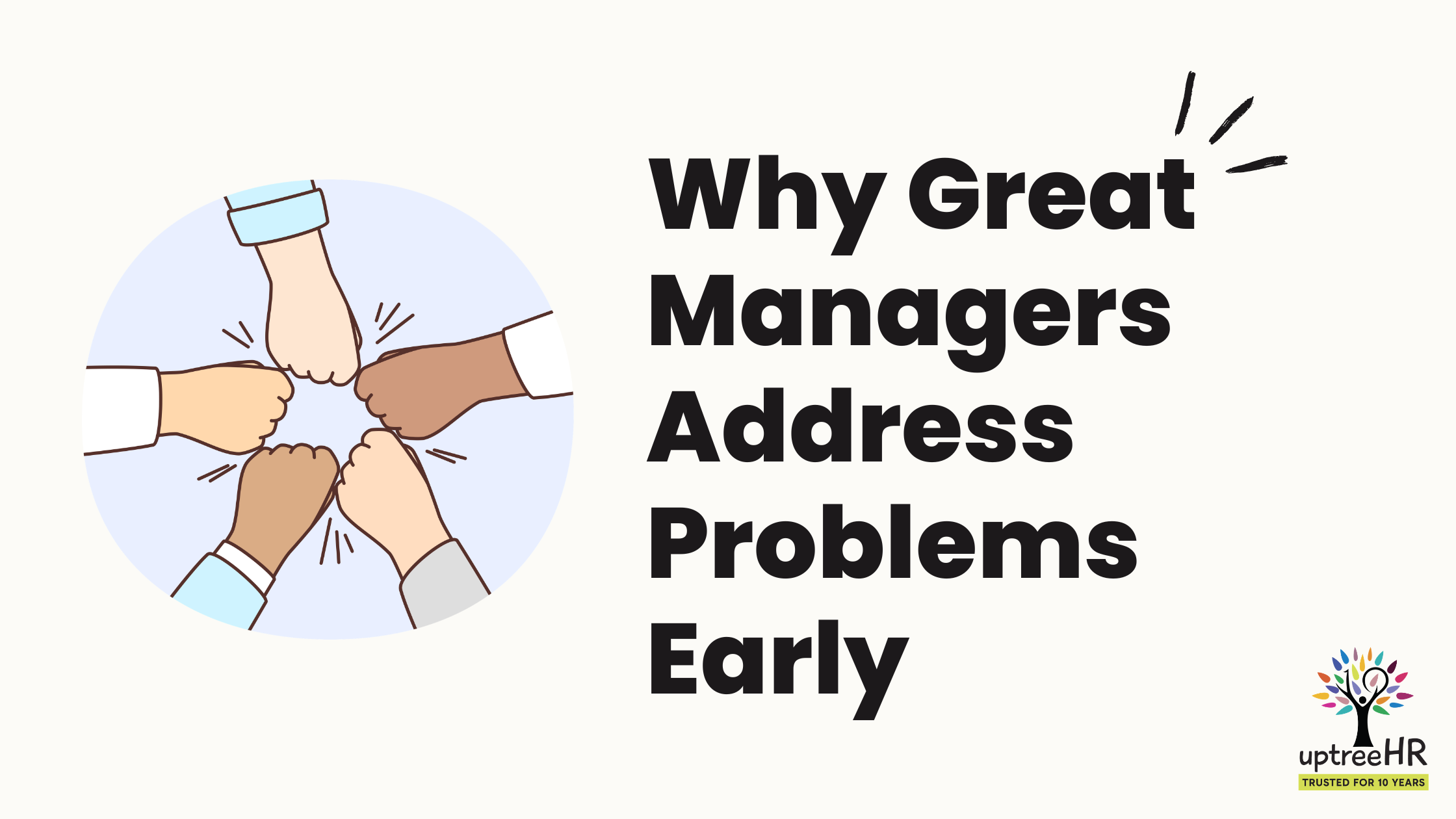
One of the most common leadership mistakes arises in our most [...]
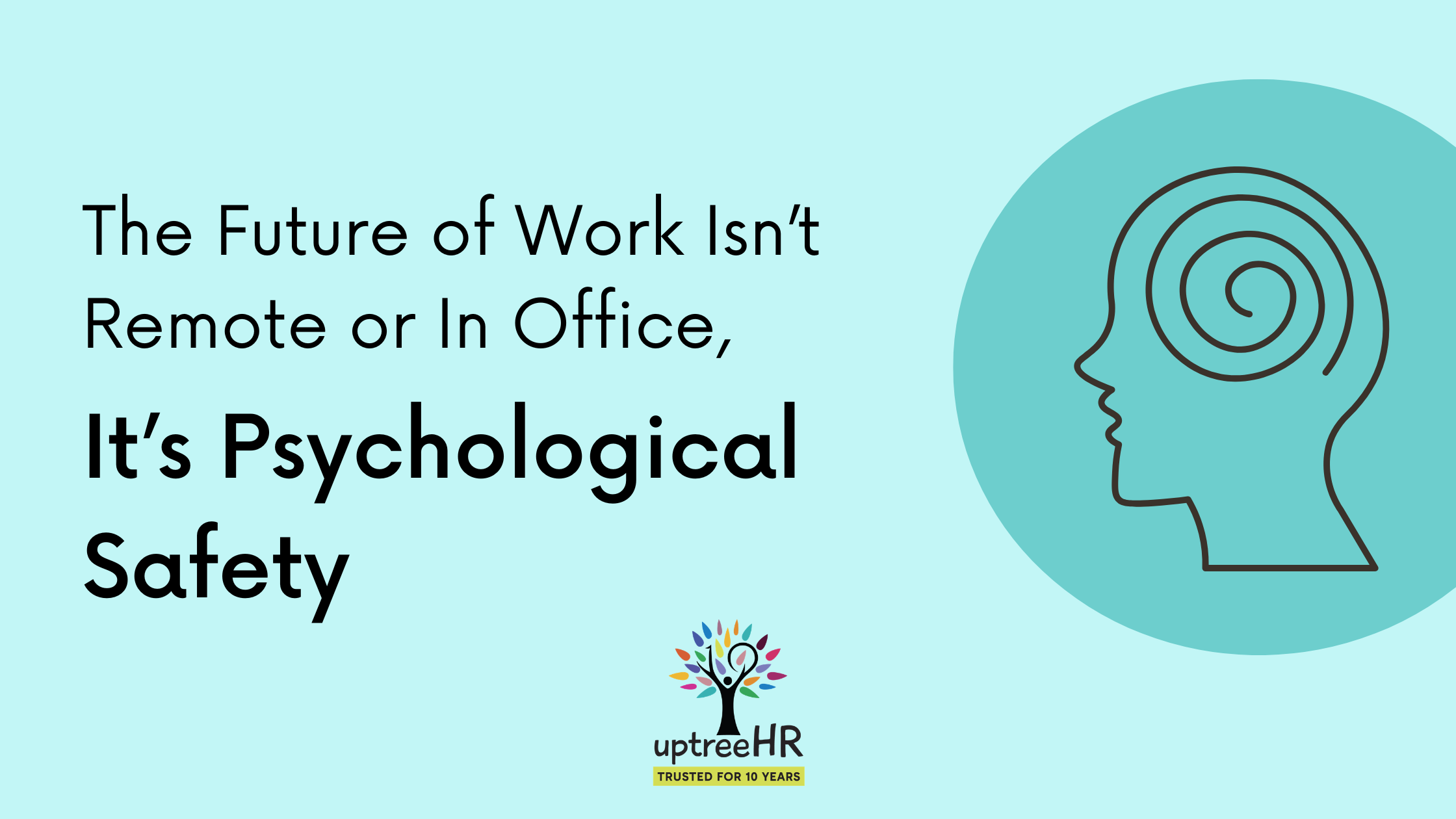
Since Covid, many workplaces have focused on the same question, should [...]